
Brno Mars Rover · Brno University of Technology
Building autonomous robotic systems for Mars exploration
1st
Science: Astro-Bio
ERC 2026
4
Podium finishes
ERC 2026
6th
Overall
ERC 2026
Rover Freya
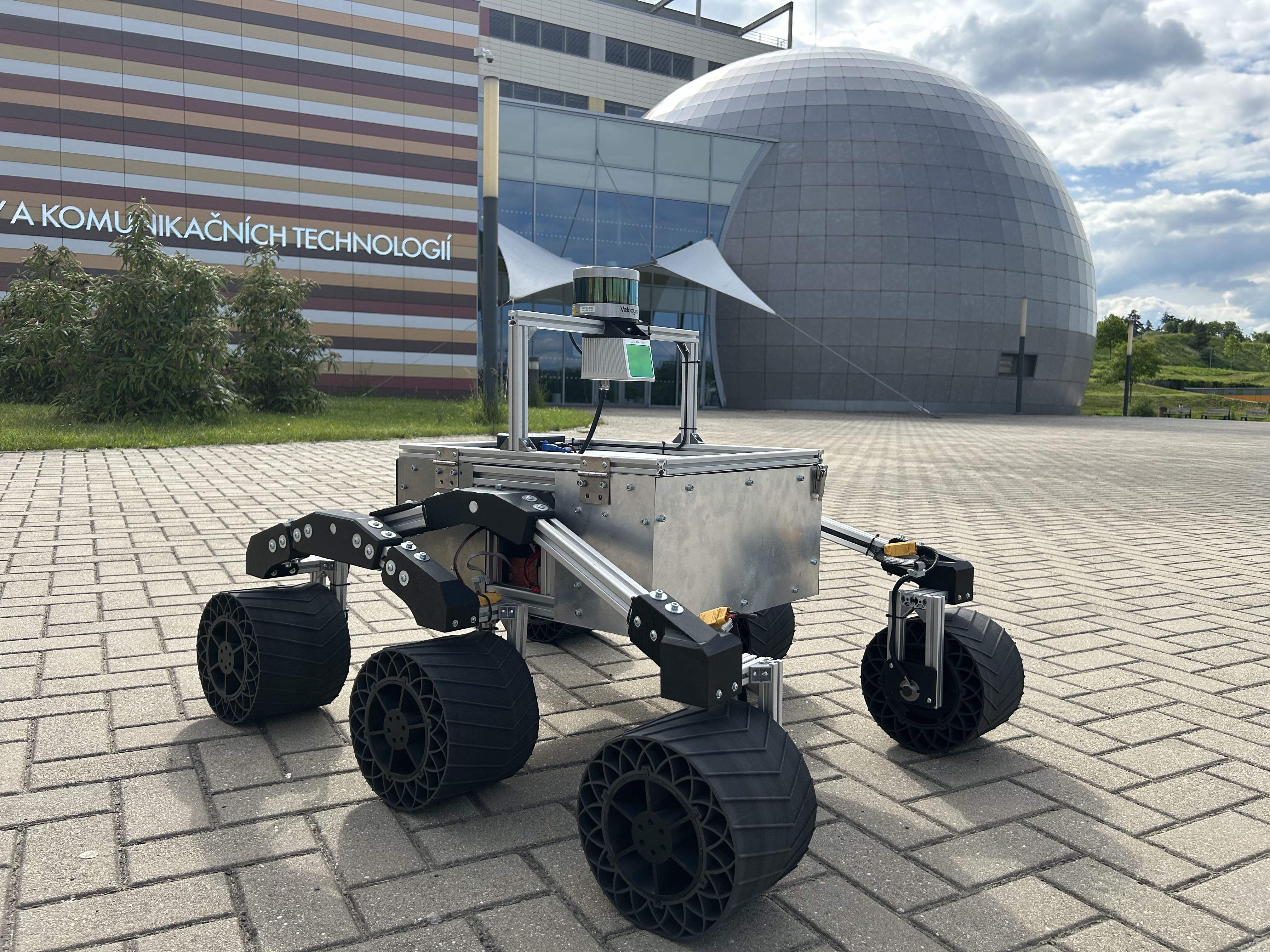
An autonomous rover built for terrain exploration, object manipulation with a robotic arm, and collecting soil samples from 30 cm below the surface.
Freya is a six-wheeled exploration rover designed and built by students at Brno University of Technology. Everything from the chassis and electronics to the robotic arm and autonomy software is developed in-house.
The rover competes in prestigious international competitions such as the European Rover Challenge, where teams face challenges modelled on real Mars missions. At its first appearance in 2025, Freya finished 11th out of 25 finalists and took 2nd place in the Probing task.
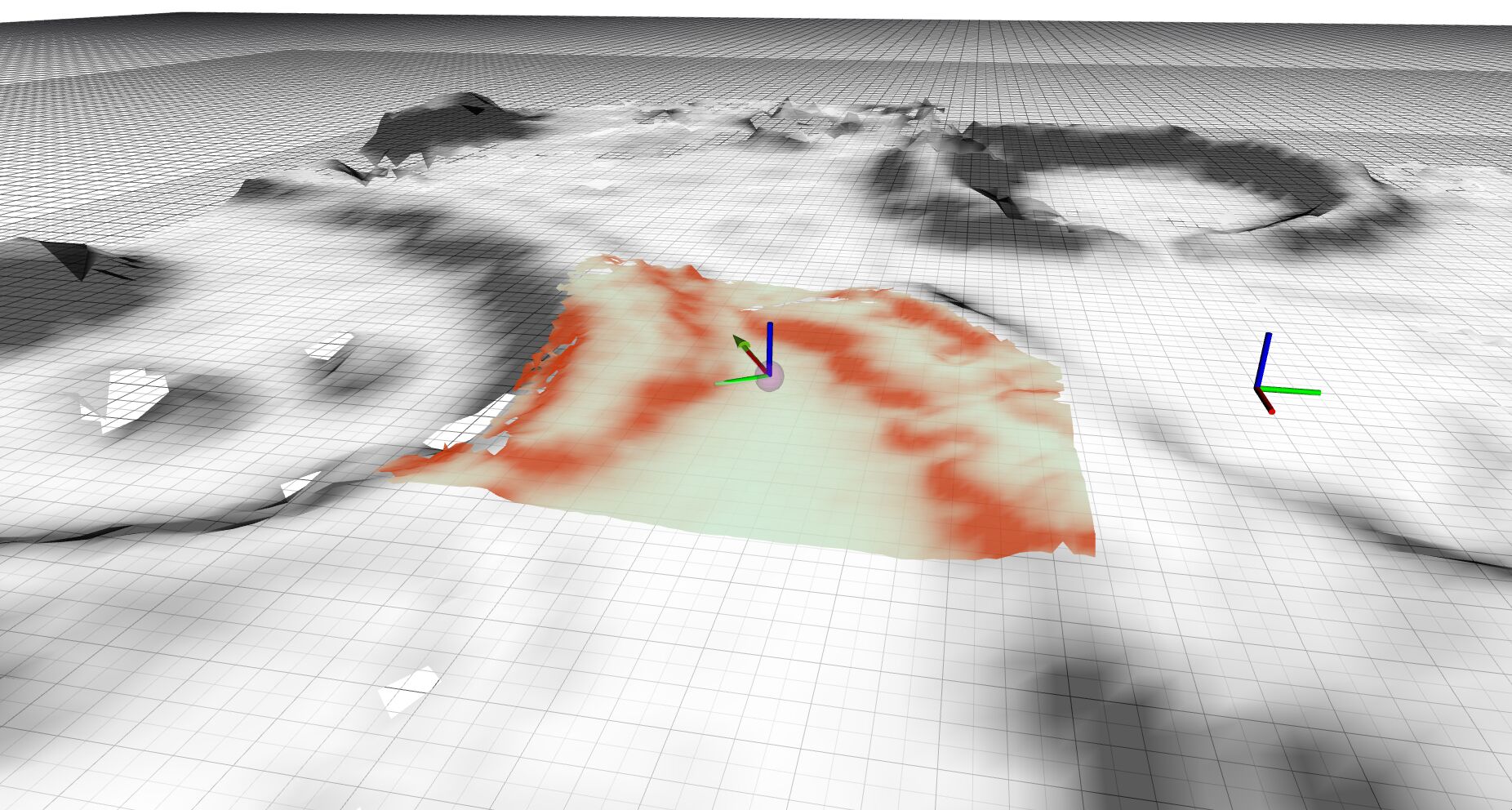
- Autonomous navigation across unknown terrain without GNSS, using onboard sensors and computer vision
- Robotic arm for operating instrument panels and precise object handling
- Onboard drill for collecting and analysing soil samples from 30 cm below the surface
- Rocker-bogie chassis with six independently driven wheels built for rough, Martian-like terrain
Capabilities



Quadcopter F450
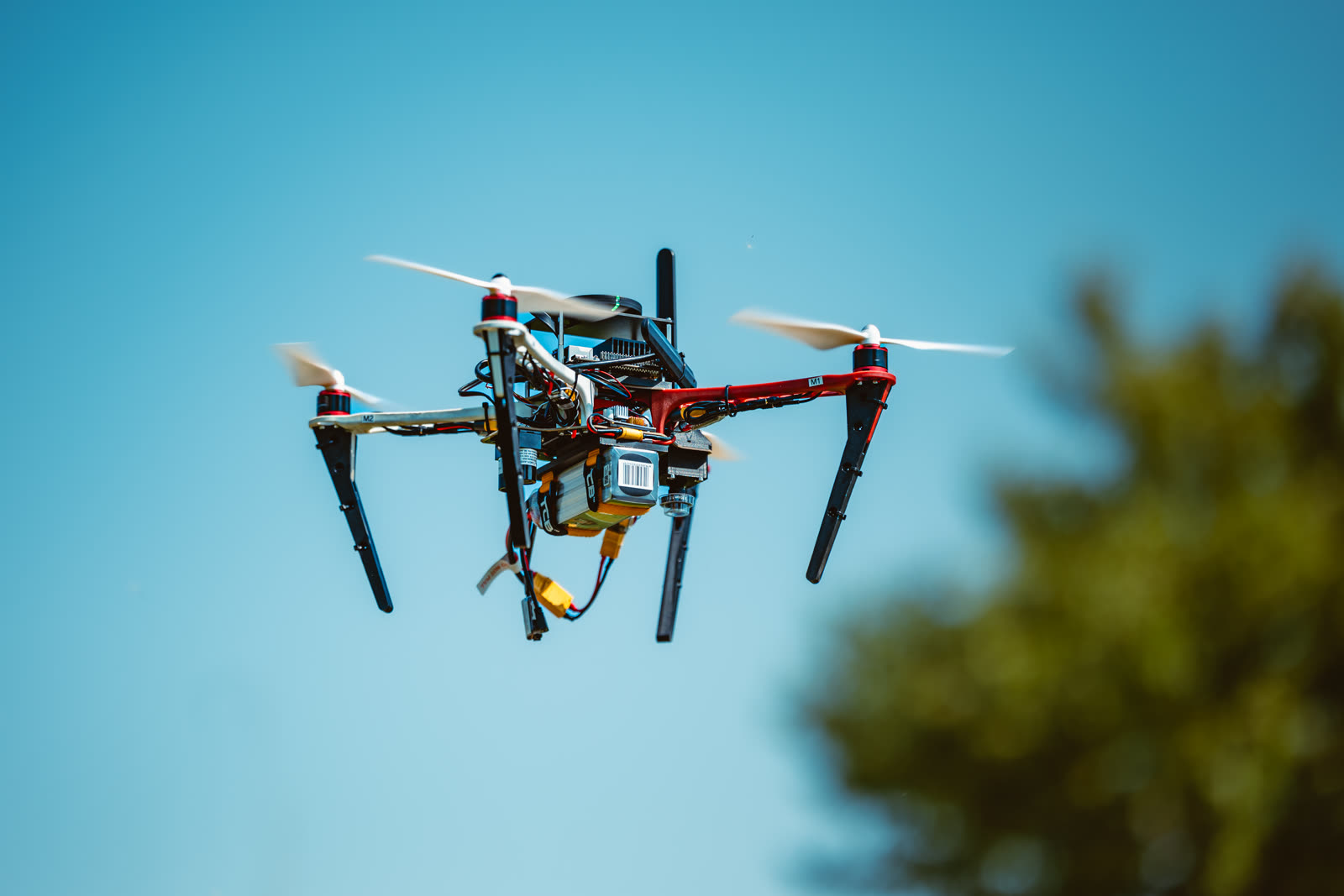
An autonomous quadcopter built for aerial terrain search, onboard object detection, and precision landing.
The F450 is an aerial extension of the ground rover. Working in cooperation with Freya, it lets the system survey and explore far larger areas than the rover could cover alone.
The drone is built on the open Pixhawk platform running PX4 firmware and is flown in offboard mode from a Jetson companion computer, which carries the AI stack and the complete mission autonomy, from take-off to landing, all developed in-house. At the European Rover Challenge the mission is flown entirely without a pilot, and the F450 has taken 2nd place in the drone task two years running, in 2025 and again at ERC 2026.
- Searching the terrain for experimental probes
- Detecting and localizing objects with onboard AI
- Landing autonomously on a randomly placed marker
- PX4 autopilot with an onboard companion computer for AI inference
Capabilities


Our Achievements
Competition results and recognitions.
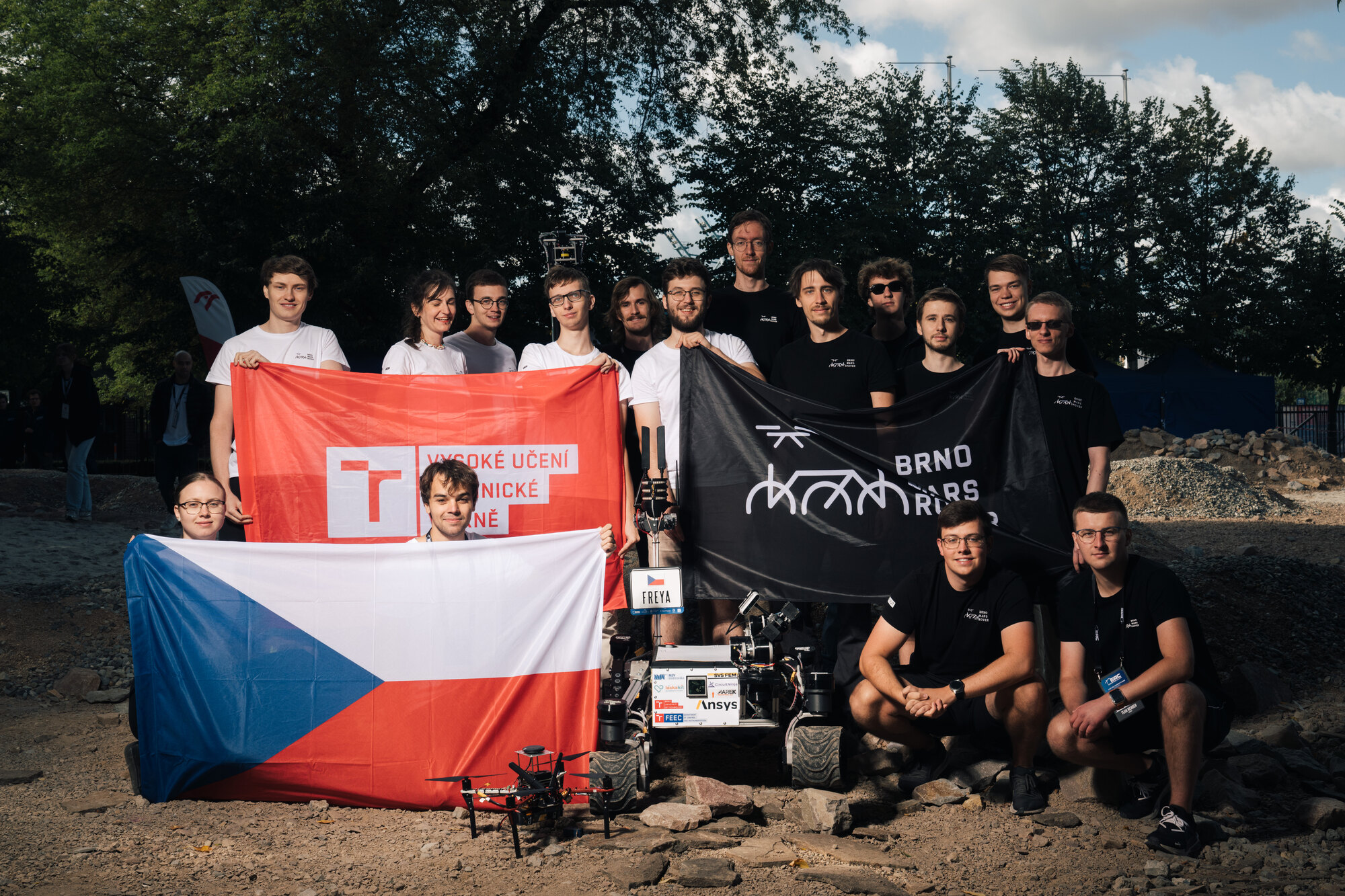
Team BMR at ERC 2026
European Rover Challenge 2026
6th overall — and four podium finishes.
Awards & Recognitions
BUT Rector's Award
Outstanding Contribution to Student Robotics
Awarded to the team for an extraordinary contribution to the development of student activity in robotics, for significant international achievements, and for exemplary international representation of Brno University of Technology.
Latest Posts
Updates, stories, and technical deep dives from the team.
September 13, 2026
ERC 2026: Sixth Overall, and a Win in Astro-Bio
Our second European Rover Challenge ended with four podium finishes and our first ever category win. Here is how the campaign went.
Read more →Our Team
Founded in 2023 at the Faculty of Electrical Engineering and Communication, we bring together bachelor's, master's, and PhD students from across the university, united by the vision of exploring Mars.
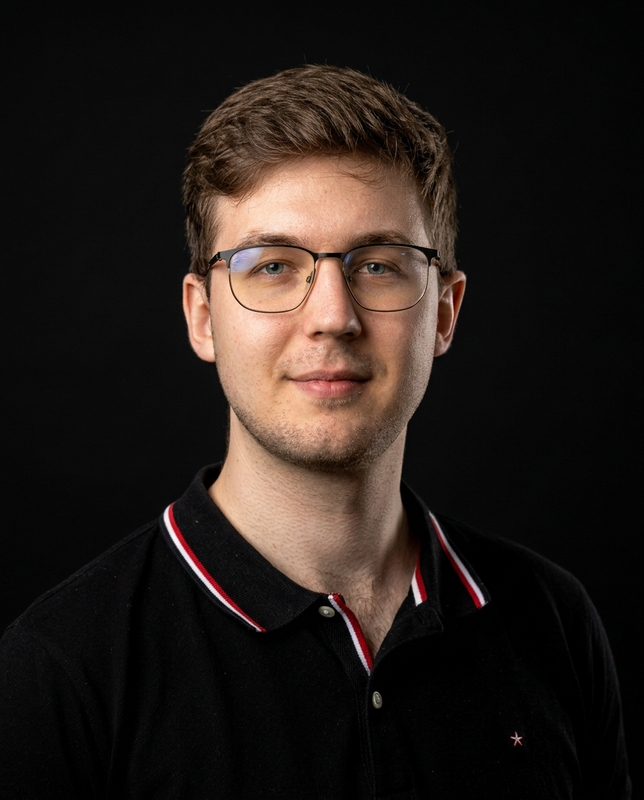
Stanislav Svědiroh
Team Leader · Electronics & Marketing Lead
FEKT · Coordination, business planning, reports
Stanislav Svědiroh
Team Leader · Electronics & Marketing Lead
FEKT · Coordination, business planning, reports

Miloš Cihlář
Team Leader · Autonomy Lead
FEKT · Autonomy, drone, business planning
Miloš Cihlář
Team Leader · Autonomy Lead
FEKT · Autonomy, drone, business planning

Simona Petrovská
Mechanical Lead
FSI · CNC, ANSYS
Simona Petrovská
Mechanical Lead
FSI · CNC, ANSYS

Jan Drochýtek
Manipulator Lead
FEKT · Software
Jan Drochýtek
Manipulator Lead
FEKT · Software

Filip Šlíma
Sampling Lead
FEKT · Manipulator autonomy
Filip Šlíma
Sampling Lead
FEKT · Manipulator autonomy
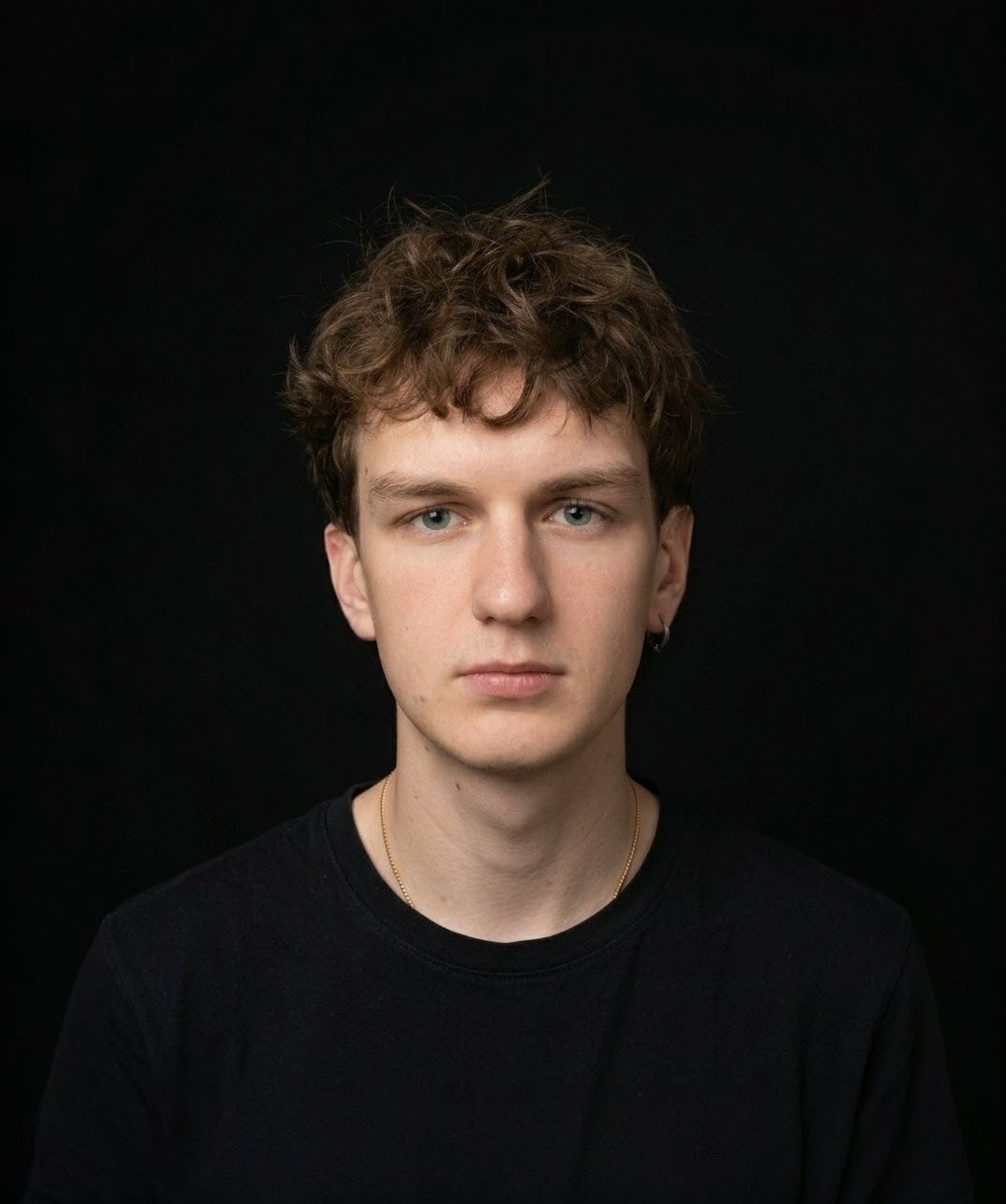
Maksym Pleshyvtsev
Science & Exploration Lead
FEKT · Scientific instrumentation & electronics
Maksym Pleshyvtsev
Science & Exploration Lead
FEKT · Scientific instrumentation & electronics

David Krejčí
Ground Station Lead
FIT · Teleop control
David Krejčí
Ground Station Lead
FIT · Teleop control
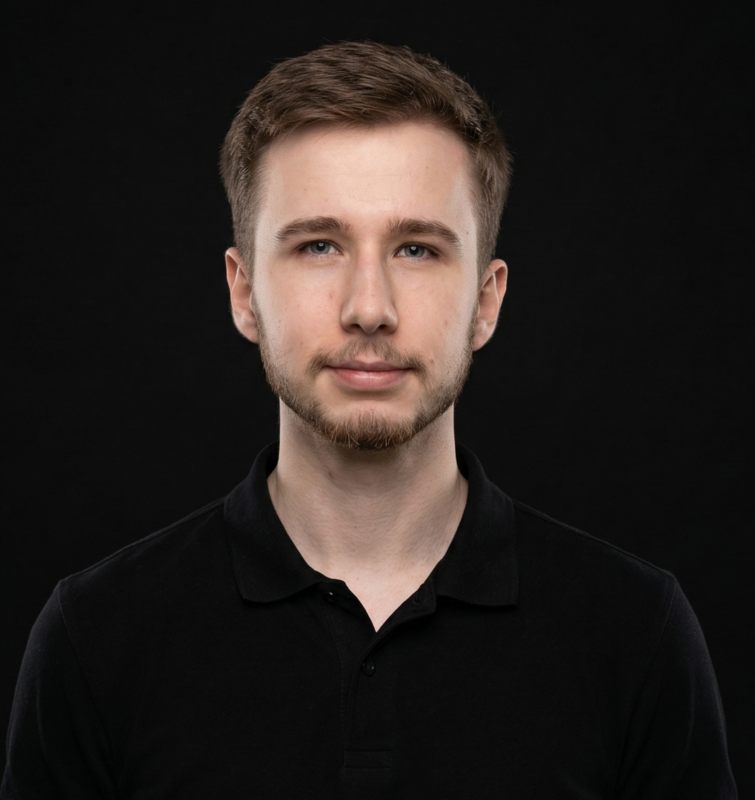
Martin Majnuš
Business Planning & Mechanical
FEKT alumni · Sponsors, commercialization
Martin Majnuš
Business Planning & Mechanical
FEKT alumni · Sponsors, commercialization
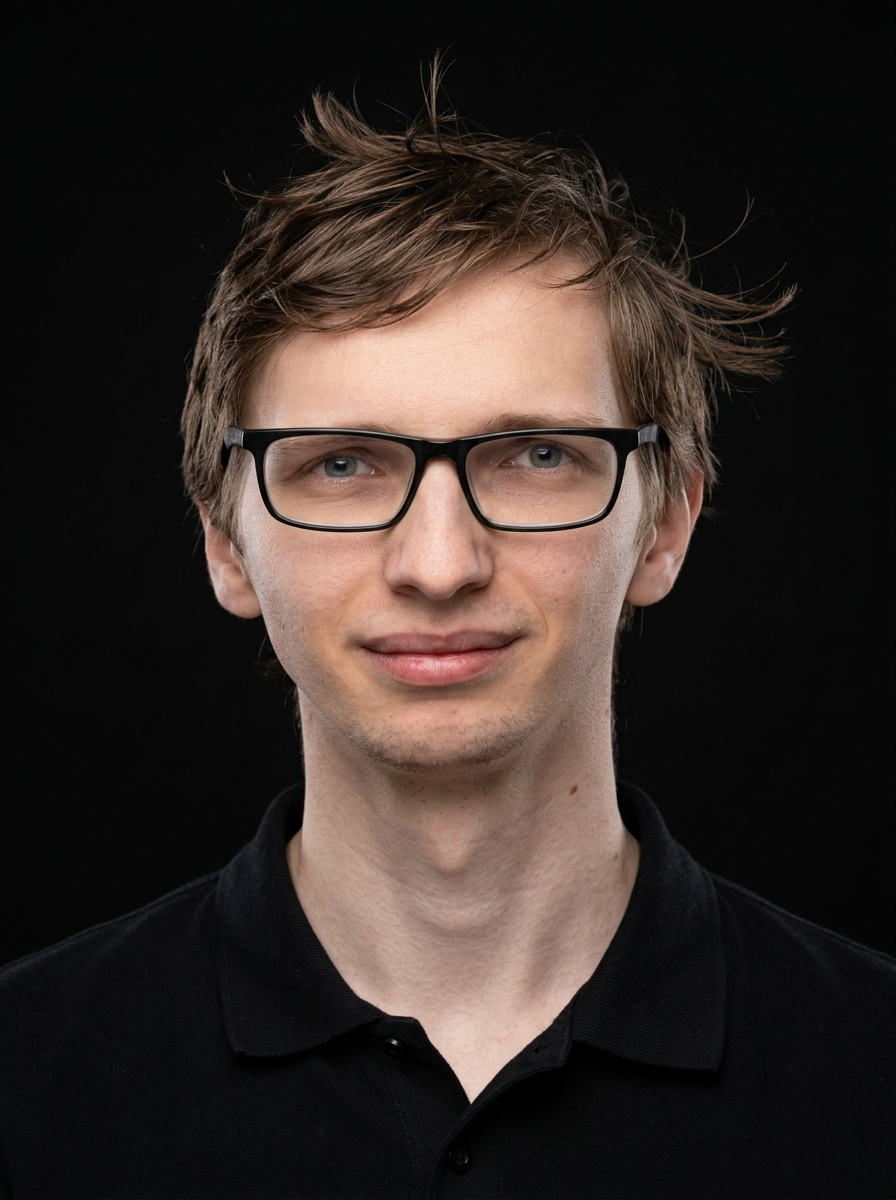
Jan Zdebor
Mechanical
FSI · CNC, ANSYS
Jan Zdebor
Mechanical
FSI · CNC, ANSYS
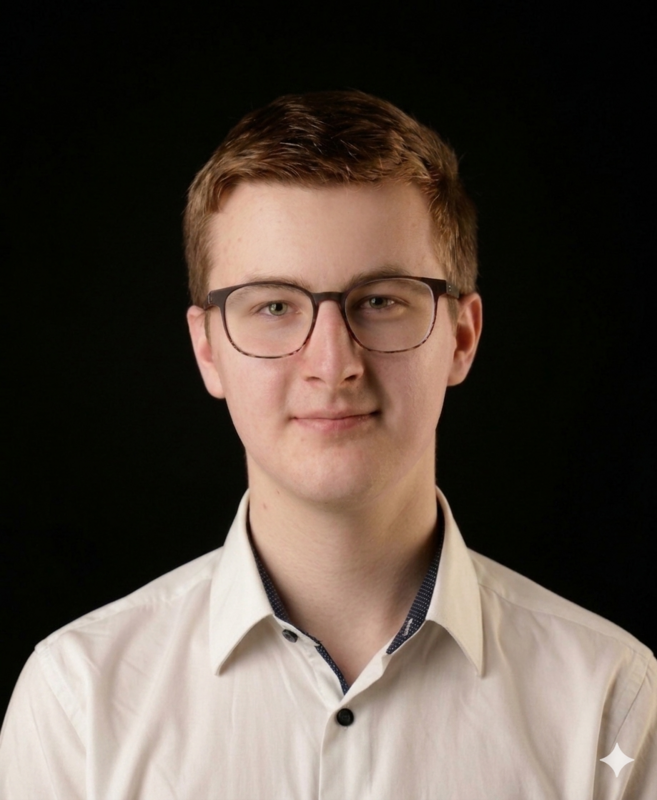
Matyáš Klukáček
Mechanical & Autonomy
FSI · Wheels
Matyáš Klukáček
Mechanical & Autonomy
FSI · Wheels

Ondřej Štafa
Sampling
FEKT · Software, PCB
Ondřej Štafa
Sampling
FEKT · Software, PCB

Vilém Strachoň
Sampling
FEKT · Sample weighing
Vilém Strachoň
Sampling
FEKT · Sample weighing
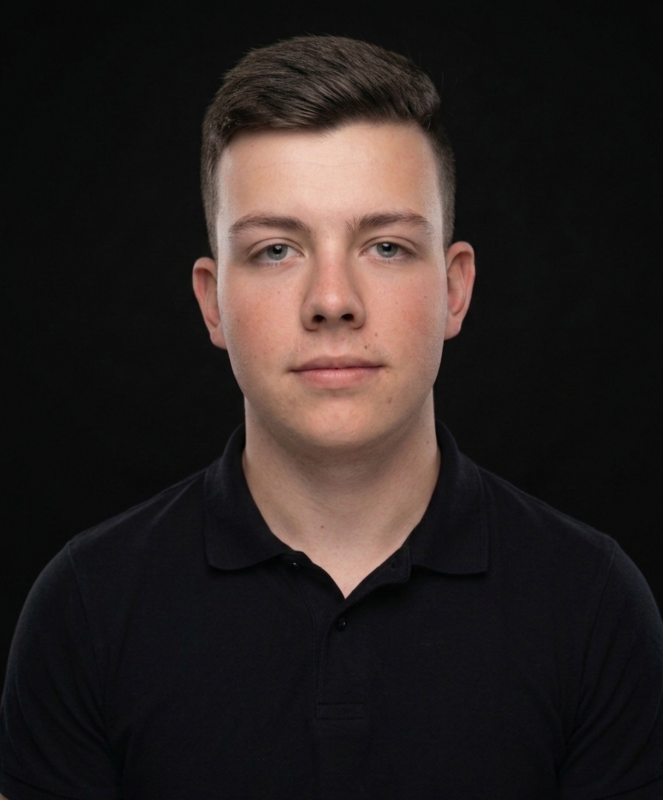
Martin Kříž
Autonomy & Sampling
FEKT · Drone, VIO
Martin Kříž
Autonomy & Sampling
FEKT · Drone, VIO

Jakub Vacek
Science & Exploration
FEKT · Liquid sample, autonomy
Jakub Vacek
Science & Exploration
FEKT · Liquid sample, autonomy
Matěj Javůrek
Mechanical
FSI
Matěj Javůrek
Mechanical
FSI
Join Us
We are always looking for motivated students from any faculty. Whether you are into mechanical engineering, electronics, software, science, autonomy, or marketing, there is a place for you.
Our Partners
We are grateful to our partners who make our mission possible.









Become a Partner
Partner with us and support the next generation of engineers building autonomous robotic systems for Mars exploration.
Contact UsGet in Touch
Want to join the team, partner with us, or just say hello?
Discord
Join Discord
brnomarsrover@gmail.com
@brnomarsrover
Brno Mars Rover
GitHub
BrnoMarsRover
YouTube
@BrnoMarsRover
Our Lab
T12/SE 1.102
VUT Brno, Czech Republic